
At first, these moments are easy to dismiss. “I’m tired.” “I’m getting older.” “It happens to everyone.” And sometimes, ordinary forgetfulness really is just ordinary forgetfulness.
But the sales presentation behind Neuro Recall focuses on something more unsettling: the moment when those isolated lapses begin to feel like a pattern.
You reread the same paragraph because none of it stayed with you. Someone tells you something in the morning and by the afternoon the conversation feels distant. You know a familiar face instantly — but the name seems trapped somewhere just out of reach.
The fear is not simply “forgetting.” The deeper fear is losing confidence in your own mind.
That distinction is the central mechanism presented in the VSL: rather than describing every memory lapse as a memory being erased, it describes the problem as a breakdown in the brain’s ability to access, transmit and retrieve information efficiently.
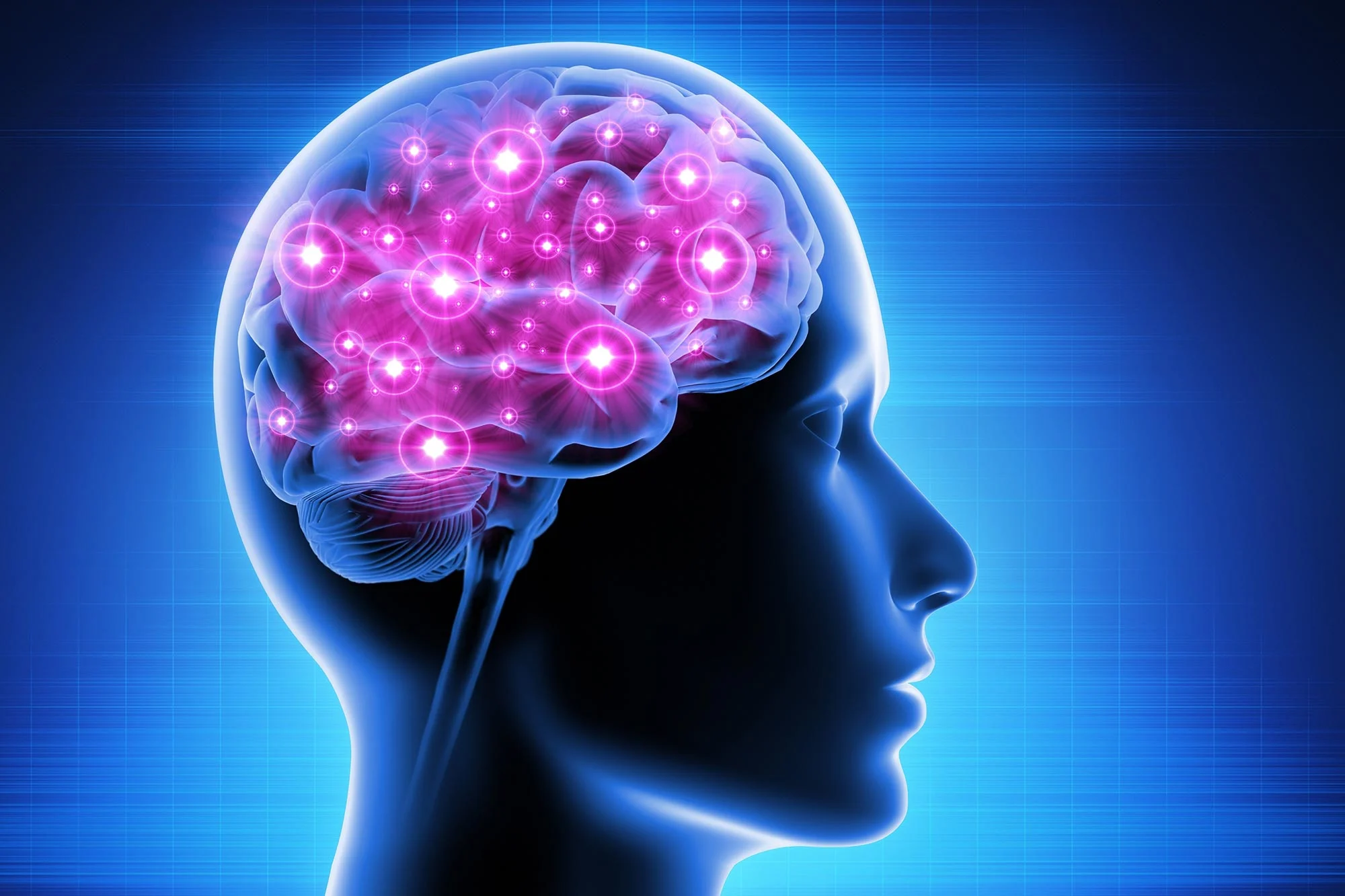
In simple terms, the presentation compares the brain to an enormous library. The memories are the books. Neurons are the shelves. Chemical messengers help retrieve the right information when you need it.
When communication between those systems becomes less efficient, retrieving a name, a word, a recent conversation or a familiar detail can begin to feel slower and less reliable.